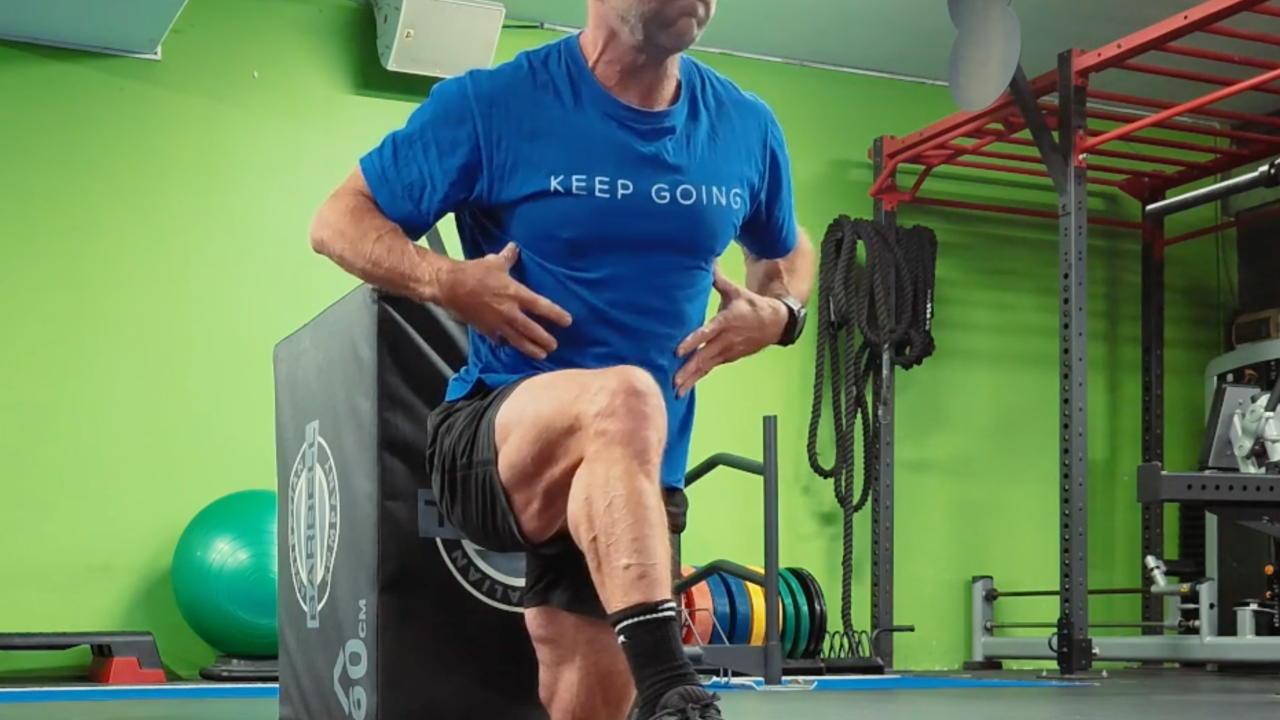
A Structured Course for Movement Assessment and Exercise Coaching
Biomechanical Blueprint is a guided online course designed to help you assess movement, interpret key exercise patterns, and apply practical training decisions with greater clarity.
The course provides a structured framework for understanding movement self-assessment, video review, and exercise coaching principles applicable to training, exercise modification, and progression. The focus is not on chasing perfect technique, but on building a more informed and practical approach to movement and training.
Who This is For
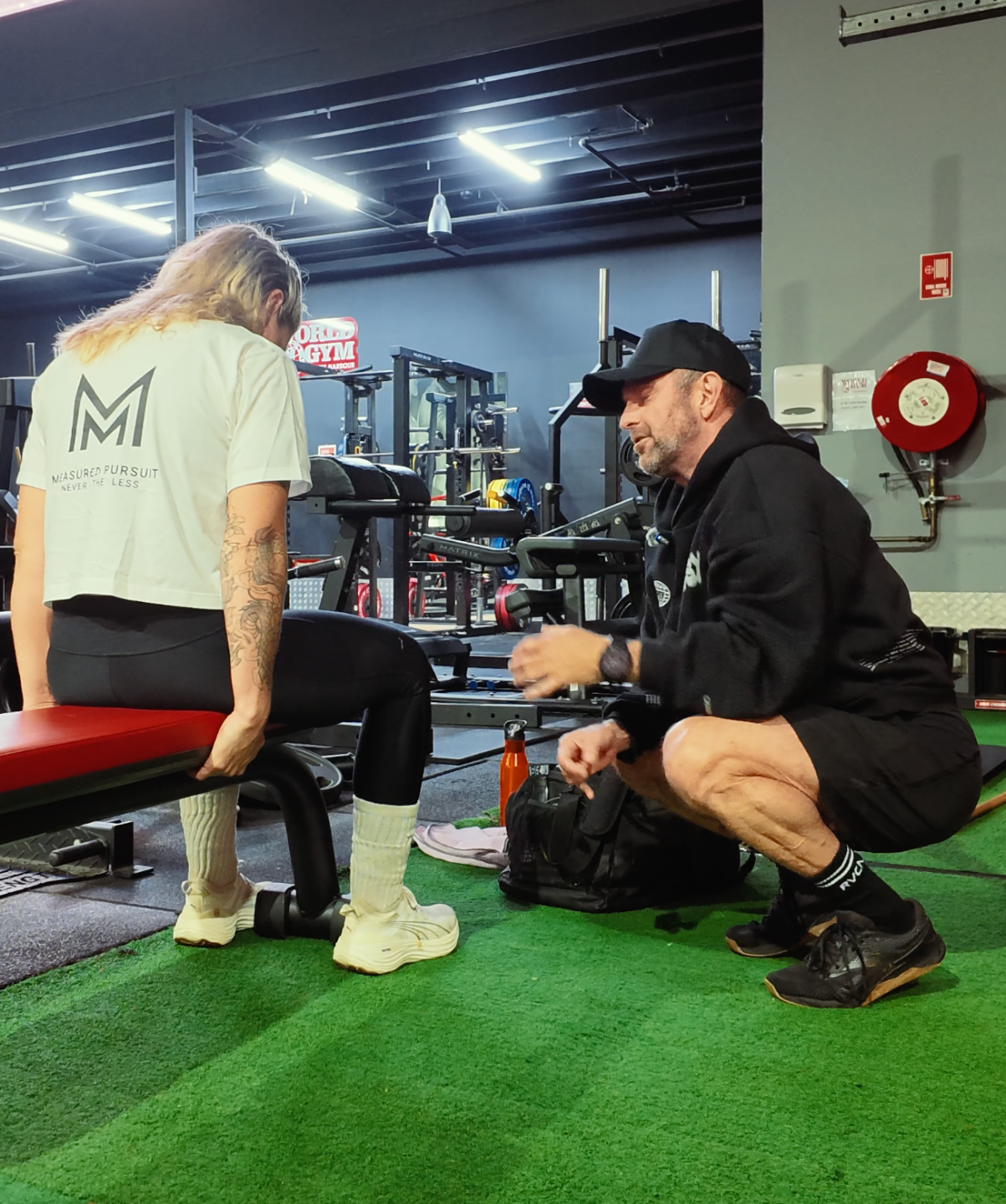
This course is suited to:
- coaches and trainers
- health and exercise professionals
- active individuals who want a clearer understanding of movement assessment
- people looking to improve exercise decision-making, technique awareness, and progression planning
What is Included
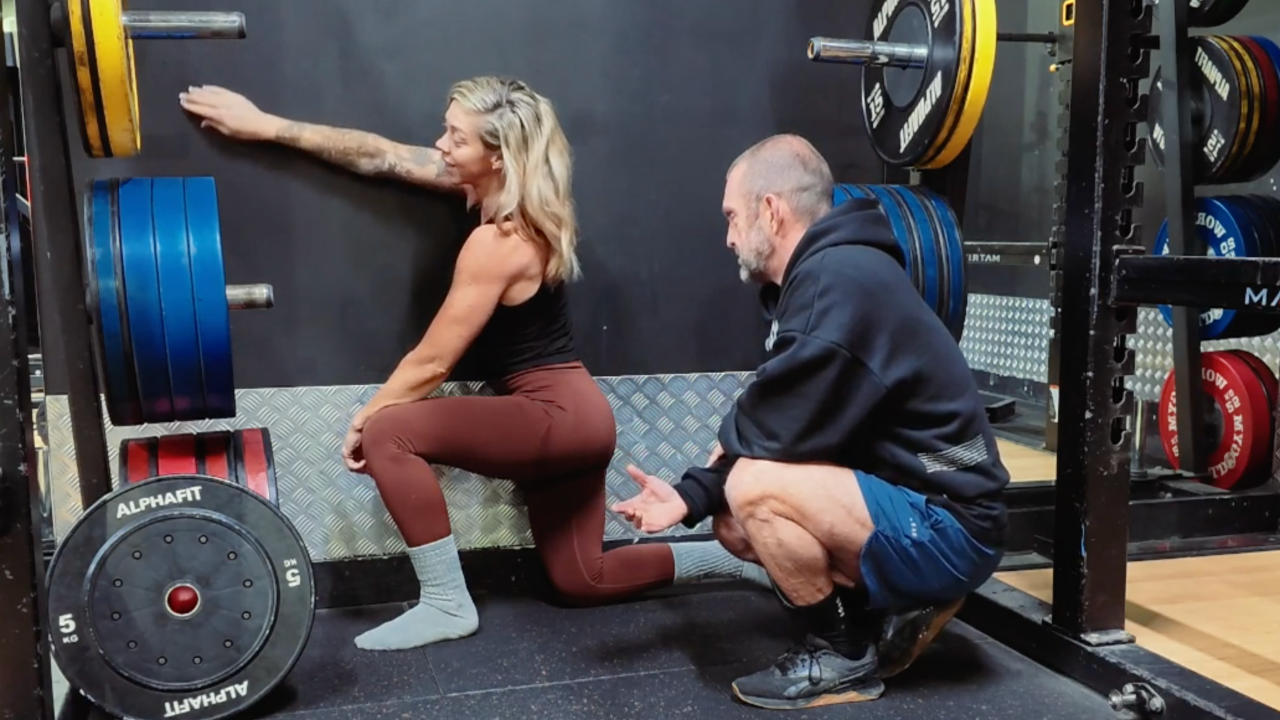
- guided onboarding and setup lessons
- movement self-assessment instructions
- filming guidance for clear video submission
- structured movement assessment tasks
- a practical framework for interpreting exercise patterns
- education around movement modification, progression, and training application

Overview of full course
Module 1 introduces the learner to the course assessment process and establishes the baseline movement-screening framework used throughout the program. The module focuses on guided self-movement assessments that are filmed and submitted for structured review. These screens are designed to help identify observable movement restrictions, asymmetries, compensatory strategies, and symptom responses across key regions commonly relevant to exercise participation and programming.
The module includes foundational screening tasks for the shoulder complex, thoracic spine, hips, ankles, squat pattern, upper-body support mechanics, and global flexion and extension patterns. Together, these assessments create an initial movement profile that can inform later decisions on exercise modification, progression, regression, and referral, where appropriate.
Module 2 introduces the foundational concepts required to interpret movement quality, trunk control strategies, and basic safety considerations within an exercise assessment context. The emphasis is on using a structured, reproducible framework to observe movement, identify relevant biomechanical features, and distinguish between findings that may inform exercise programming and those that require modification, referral, or cessation of testing.
Module 3 introduces a structured process for screening spinal movement, reviewing relevant lifestyle and training factors, and interpreting findings to inform exercise selection, modification, and progression within an exercise-based management context. It goes on to foundational and regional screening tasks used to observe symptom behaviour, positional tolerance, segmental contribution, and basic movement control in presentations involving low back pain or reduced loading tolerance. These screens are intended to provide lower-complexity information that can support later interpretation of more demanding functional tasks. It then moves onto functional movement screening tasks that assess symptom response, movement strategy, control, and load tolerance during more integrated tasks. Compared with the foundational and regional screens, these assessments place greater demands on coordination, balance, force transfer, and tolerance to whole-body movement.
Module 3 concludes with teaching learners how to integrate screening findings and contextual information into a structured exercise decision-making process. The aim is to support reproducible clinical reasoning that links observed movement behaviour, symptom response, functional tolerance, and recovery patterns to an appropriate entry point for exercise
Module 4 presents a structured pathway for exercise selection, modification, and progression in individuals presenting with low back pain, reduced loading tolerance, or reduced confidence with movement. It is designed to help learners move from lower-load movement preparation toward more integrated exercise progressions using a symptom-guided, function-oriented approach grounded in prior screening and clinical reasoning. Including warm-up and low-load preparation options that support subsequent exercise teaching in the hinge, squat, bridge, carry, rowing, and anti-rotation patterns.
Module 5 progresses the learner from foundational trunk-control and low-load movement strategies into more demanding reloading tasks that prepare the client for return to strength training, gym-based exercise, and higher-capacity movement patterns. The focus of Module 5 is not simply to add heavier exercises. The focus is to teach clinicians how to reintroduce load, complexity, asymmetry, and force production in a way that is clinically reasoned, technically sound, and matched to the client's current tolerance.